The Historical Origins of Ear Cropping
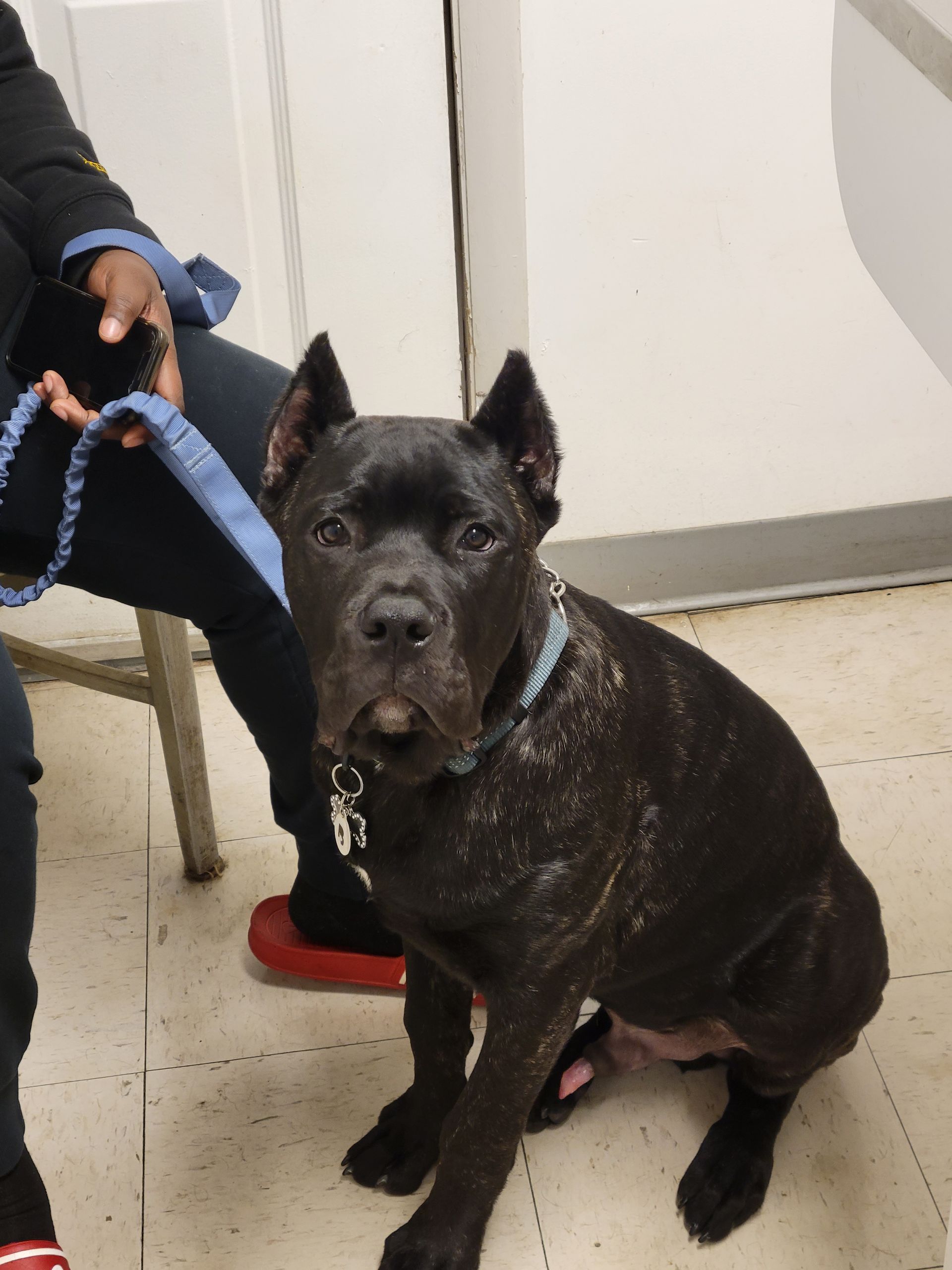
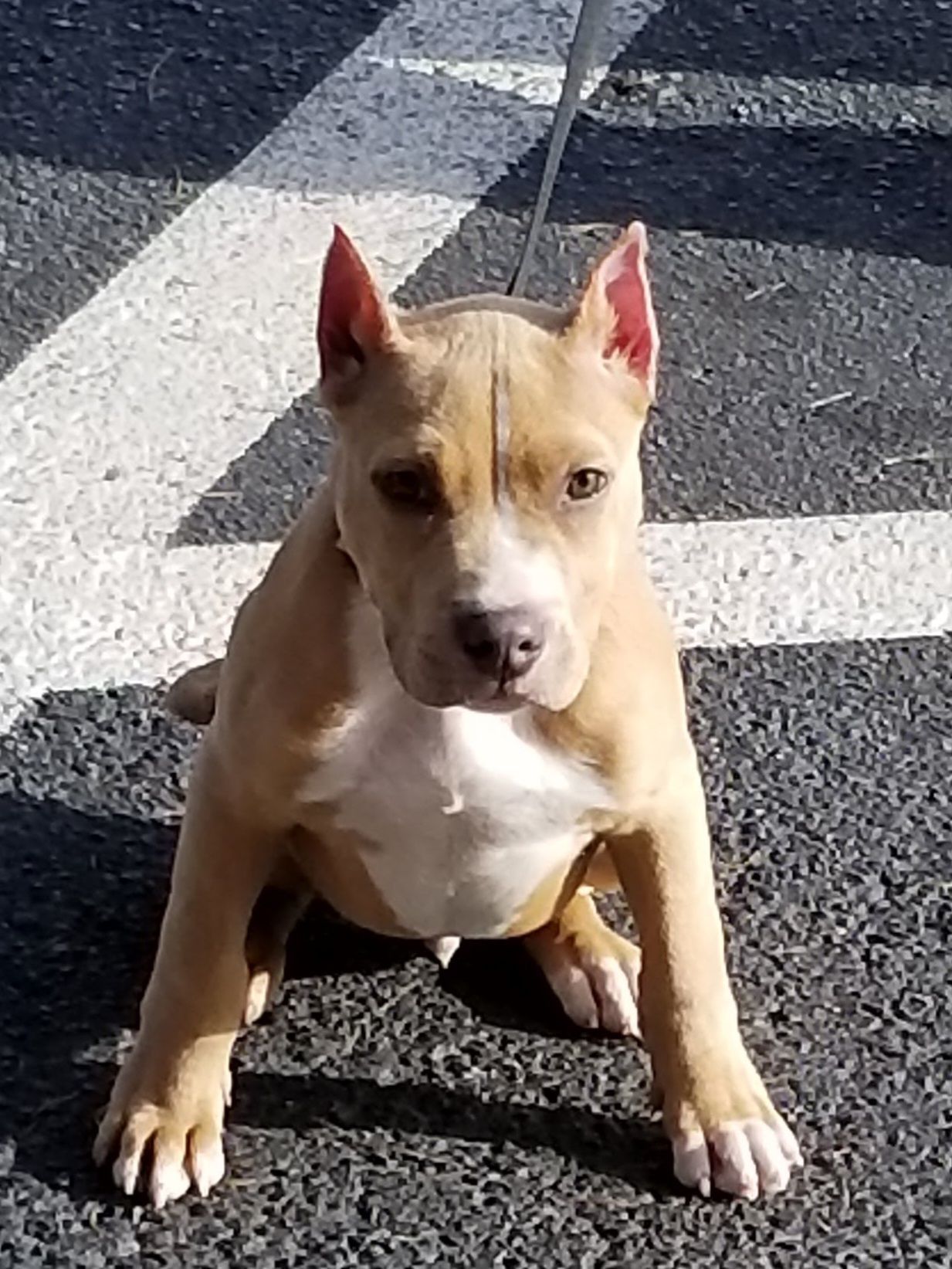
Breed-specific ear trimming, more accurately called ear cropping, is a surgical procedure in which a portion of a dog’s external ear (pinna) is removed to create an upright appearance. While it remains a topic of debate, it continues to be routinely performed in certain breeds for historical, functional, and breed-standard reasons. As veterinarians, it’s important to understand both the origins of the practice and why, if pursued, it must always be performed professionally and ethically.
The Historical Origins of Ear Cropping
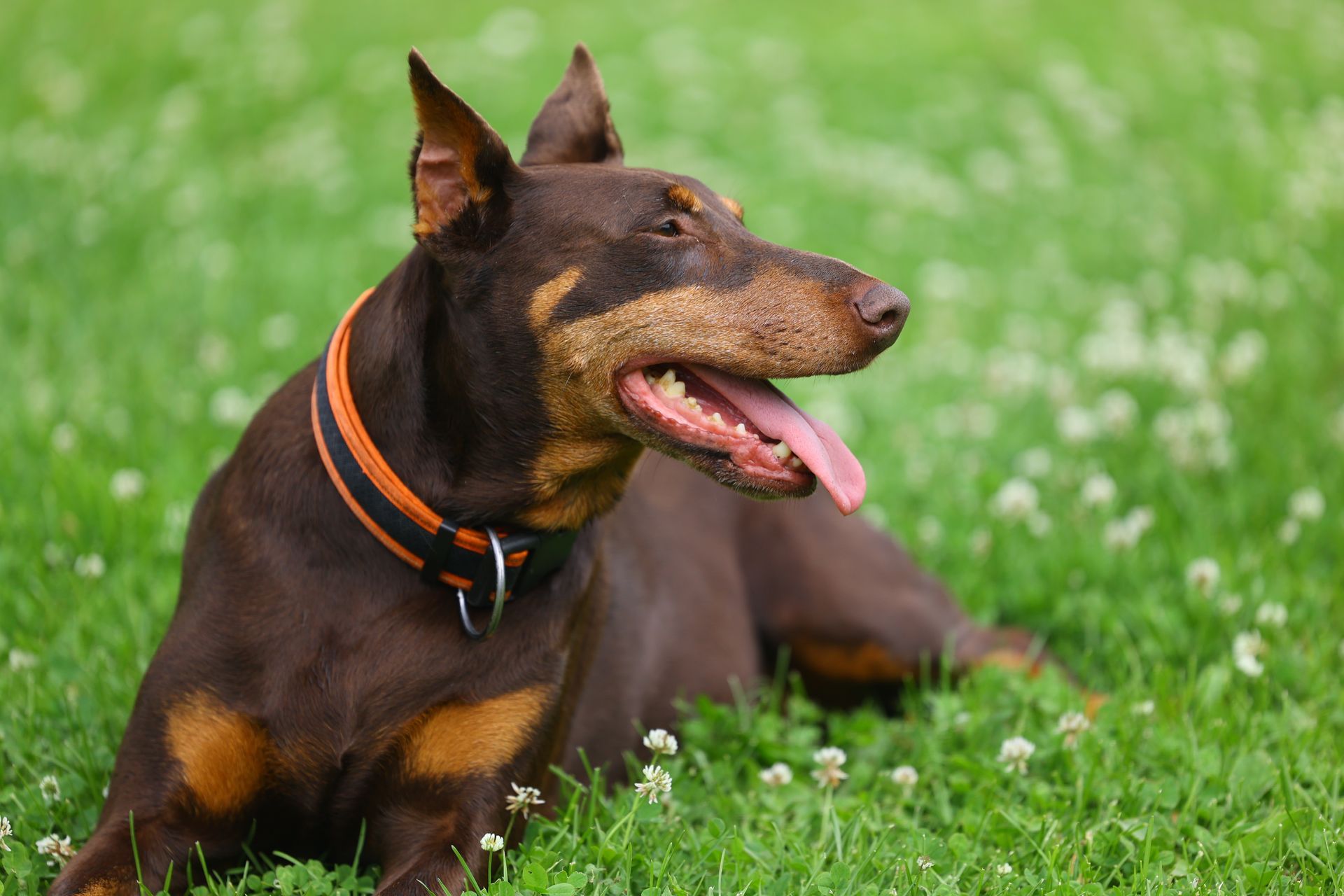
Ear cropping dates back hundreds—and in some cases thousands—of years. Many of the breeds commonly associated with cropped ears were originally developed for guarding, hunting, or fighting roles where ear injuries were common.
For example, the Doberman Pinscher was developed in late 19th-century Germany as a personal protection dog. Upright ears were believed to reduce the risk of tearing during confrontations and enhanced the breed’s alert expression.
The Boxer, developed in Germany from mastiff-type dogs, historically worked as a guard and military dog. Cropped ears were thought to prevent injury in working situations and dog-to-dog conflict.
Similarly, the Great Dane was originally used for boar hunting. Wild boar are formidable animals capable of inflicting serious injury. Shortened ears were considered protective, minimizing the risk of lacerations.
The Miniature Schnauzer, bred as a farm ratter and guard dog, was also traditionally cropped to maintain a uniform working-dog appearance and reduce potential injury in vermin control.
Over time, as these breeds transitioned from primarily working roles to companion animals, cropping became more closely tied to breed standards established by kennel clubs and show organizations. In some countries, these standards historically described the “ideal” ear shape as erect, reinforcing the continuation of the practice.
Why Ear Cropping Is Routinely Done Today
Today, ear cropping is typically performed for one of three reasons:
- Breed standard conformity – In regions where cropping remains legal, some owners choose the procedure to align with traditional breed appearance in conformation showing.
- Aesthetic preference – Some owners prefer the alert, upright look associated with cropped ears.
- Perceived injury prevention – Though most companion dogs are not exposed to the same working hazards as their ancestors, some owners of working or protection dogs believe cropping reduces risk of ear trauma.
It is important to note that cropping does not prevent ear infections. Ear health depends more on ear canal anatomy, grooming, and medical care than on external ear length.
Why Professional Performance Is Essential
Ear cropping is a surgical procedure that must be performed by a licensed veterinarian under general anesthesia. The procedure is typically done between 8–12 weeks of age, when cartilage is still pliable and healing capacity is high.
Professional performance is critical for several reasons:
- Pain management – Proper anesthesia and post-operative analgesia are essential to minimize discomfort.
- Sterile technique – Reduces the risk of infection and complications.
- Anatomical precision – Each breed has a distinct crop style. A veterinarian trained in the procedure understands ear structure, blood supply, and correct shaping.
- Aftercare and monitoring – Successful outcomes require weeks of bandaging (“posting”) and monitoring to ensure proper healing and ear carriage.
Improper or non-medical cropping can result in chronic pain, infection, disfigurement, or permanent behavioral consequences due to early trauma.
Ethical Considerations
The ethics and legality of ear cropping vary worldwide. Many countries have banned the practice, while others permit it under veterinary supervision. As veterinarians, our role is to educate clients, prioritize animal welfare, and ensure that any elective surgical procedure is approached responsibly, with full understanding of risks and benefits.
When performed, ear cropping must always prioritize the puppy’s health, comfort, and long-term wellbeing. Professional oversight is not optional—it is essential.